Transforming lives of girls and young women through education and livelihood
Millions of
children especially girls are out of school globally, limiting their life-time
earnings
Why We Exist
In Kenya, poverty continues to rob girls of their futures. When basic needs — food, water, sanitation, and safety — go unmet, girls are the first to pay the price. Many are pulled out of school to help their families survive, and in that vulnerability, they face sexual exploitation, coerced in exchange for sanitary pads, food, or clothing.
The consequences are devastating and measurable. The Kenya Economic Survey 2026 reveals that teenage pregnancies rose from 224,333 in 2024 to 235,938 in 2025 — a crisis that disproportionately falls on girls aged 10 to 14. Over 696 cases of sexual and gender-based violence are reported daily among girls aged 10–19. With 3.5 million children currently out of school and dropout rates climbing from 7.5% to 8.5%, the system is failing the girls who need it most.
Despite government commitments and community goodwill, progress remains fragmented. Harmful cultural practices, uncoordinated interventions, and a lack of awareness continue to block meaningful change.
We exist because this is not inevitable. Safe Community Kenya was founded on the conviction that every girl deserves the safety, education, and opportunity to shape her own future — not because of where she was born or what crisis she was born into, but simply because she is worth it.
Impact
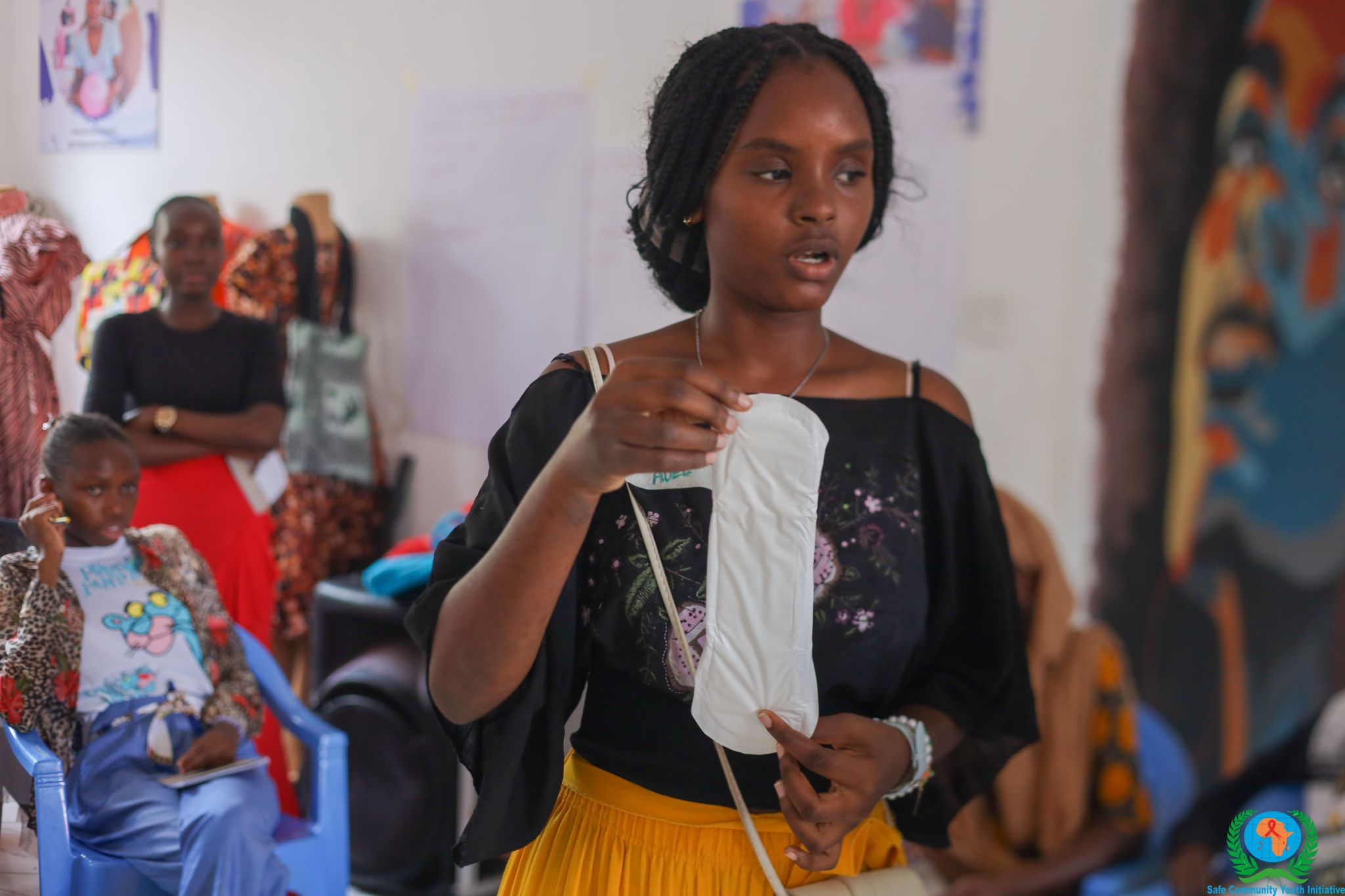
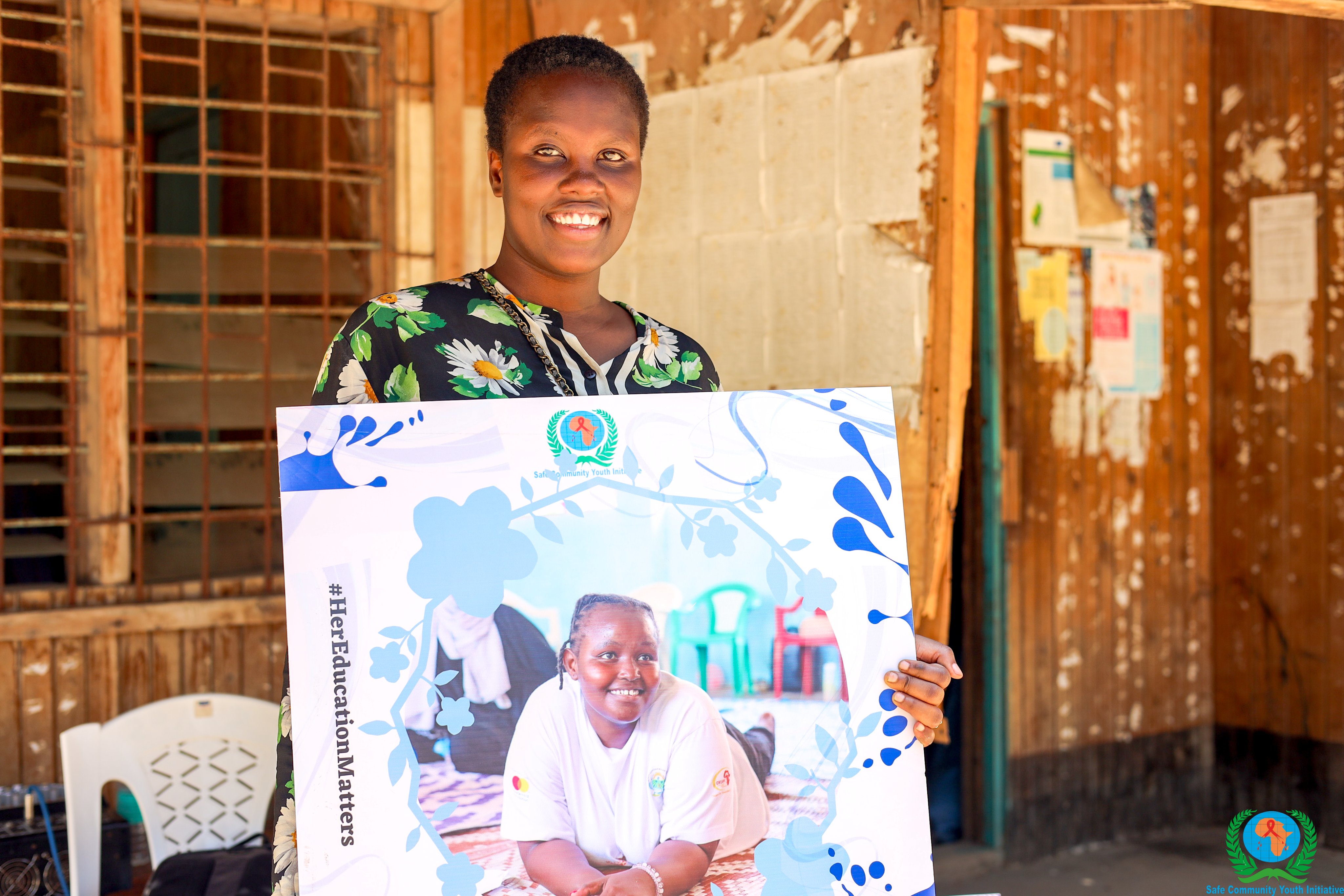
We work with girls and young women to unlock opportunity where it’s often limited. Through mentorship, life skills training, and community engagement, we support girls to stay in school, return after dropout, and build the confidence to make informed decisions about their futures. At the same time, we equip young women with practical, hands-on skills and provide startup support through revolving funds, enabling them to launch and grow small businesses.
This combined approach creates a pathway from vulnerability to independence. Participants move from uncertainty to earning, from silence to self-expression, and from dependence to leadership. Families benefit from increased income, while communities begin to shift in how they value and support girls.
Our impact goes beyond numbers—it is seen in restored hope, strengthened resilience, girls and young women who are not only surviving, but actively shaping their own futures and contributing meaningfully to society.